ExactRig
SSD and storage guide

How to choose PC storage

Capacity changes how often you manage files; drive class affects loading and transfers, but headline speed is not the whole experience.

3 min de lectura4 chaptersIllustrated
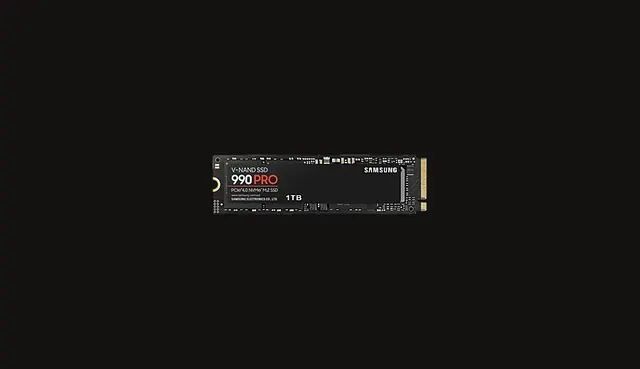
NVMe solid state drive
An NVMe drive is the default system disk. Capacity, not peak speed, is what most people feel.
Short answer

Use an NVMe SSD as the main drive when the board supports it. Size it for Windows, applications and the games you keep installed, then add cheaper secondary storage only when you need the space.

Storage is where the daily feel of a PC is decided. The jump from a mechanical disk to a solid state drive changed everything about responsiveness, but the differences between modern solid state drives are far smaller than their advertised numbers suggest.

The useful questions are simple: how much space do you actually need, which drive class does your board support, and when does a faster drive genuinely change your work.

Size it for what stays installed

Modern games are large, and uninstalling and reinstalling to make room is the most common storage complaint. List the titles you keep installed at the same time, add the operating system and your applications, and then add room to breathe. A drive that runs permanently close to full is also less pleasant to live with.

If a large library is the issue, a second drive chosen on cost per terabyte is usually better value than replacing the system drive with a very large fast one.
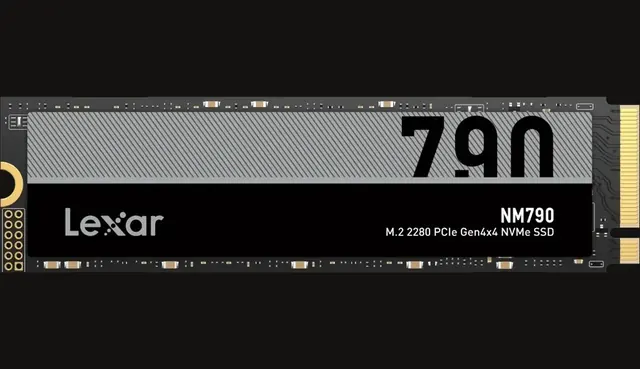
Value oriented NVMe drive
For a big library, cost per terabyte matters more than headline sequential speed.

Drive class and board support

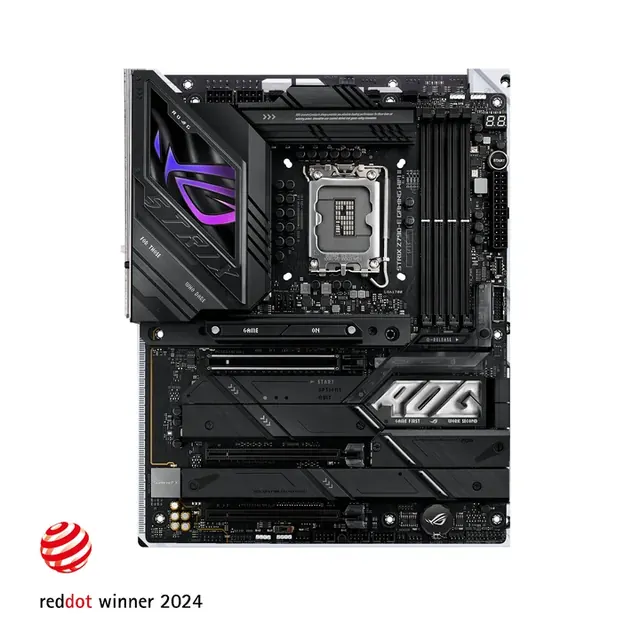
Not every slot on every board runs at the same generation, and some slots share bandwidth with other devices. Before buying a high generation drive, check what the specific board offers and where. A faster drive in a slower slot simply runs at the slower speed, which is not a failure but is wasted money.

For most people, any competent current NVMe drive feels the same in games and general use. Load time differences between good drives are usually small because games are limited by other work as well.

When faster really helps

Sustained writes are where drives separate. Copying very large media files, working with high bitrate video or moving whole project folders exposes the difference between a drive that holds its speed and one that slows sharply after its cache fills. If that is your daily work, look for sustained behaviour rather than peak figures.

Reliability practice matters more than either. Keep backups on a separate device, because a drive failure takes everything on it regardless of how fast it was.

A simple layout that works

For most builds, one NVMe drive with comfortable capacity is the whole storage plan. It holds the operating system, the applications and the games you actively play, with nothing to configure and no cables to route.

When a library outgrows it, add a second drive rather than replacing the first. A larger value oriented NVMe or even a mechanical disk for archives keeps the fast drive free for what you use now, and it separates the things you would miss from the things you can download again.

Whatever the layout, decide where backups live before you need them. An external drive or a cloud copy for documents, photos and project files costs very little next to the value of what it protects.
Second drive used for a large game library
A fast system drive plus a value second drive is the usual sweet spot.

Choose by situation

Your situationPrioritizeWhy
One main system driveNVMe SSD with comfortable capacityIt keeps the system responsive without cables.
Large game libraryPrioritize cost per terabyteCapacity matters more than peak sequential speed.
Large media transfersConsider a faster sustained driveLong copies expose differences hidden by peak numbers.

Common mistakes

  • !Choosing too little capacity for modern game sizes.
  • !Paying a large premium for peak speed with no matching workload.
  • !Assuming every motherboard slot supports every drive generation equally.

Before you buy

  1. 1List what must stay installed.
  2. 2Check M.2 slot support.
  3. 3Compare cost per terabyte.
  4. 4Keep backups separate from the main drive.

Questions people ask

Do I still need a hard disk?

Only for bulk storage or backups where cost per terabyte dominates. The system and your games belong on solid state storage.

Is the newest drive generation worth it?

For gaming, rarely. For heavy sustained file work, sometimes. Check that the board slot supports it before paying for it.

How full can I keep a drive?

Leave meaningful free space. Drives that run permanently near capacity are slower to write and more awkward to manage.

Use the guide with real parts

Keep reading