The physics in one paragraph
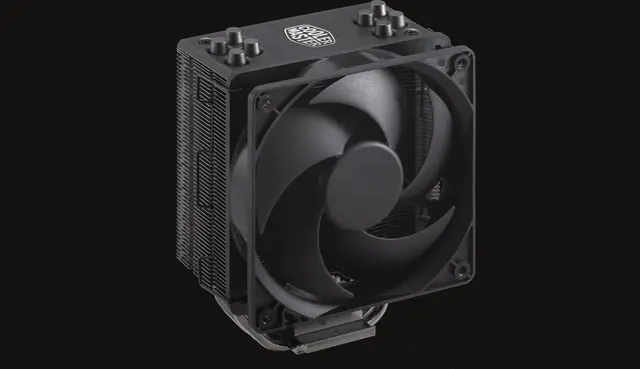
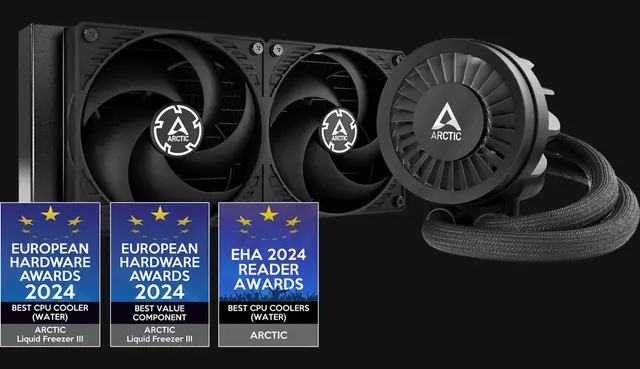
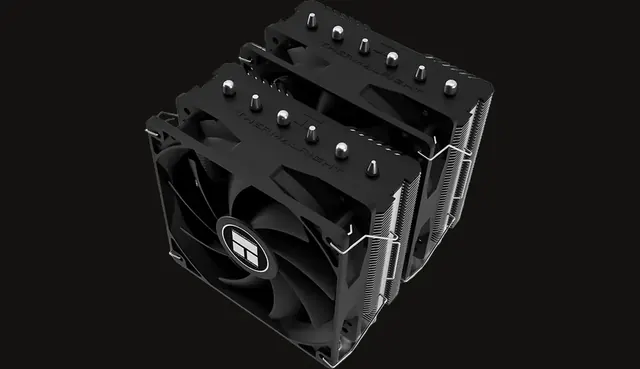
Cooling capacity comes from surface area and airflow. A tower cooler holds its surface area directly above the processor; a liquid cooler moves that surface area to a radiator elsewhere in the case. Neither creates cooling out of nothing, so a small radiator does not beat a large tower, and a large radiator can beat one comfortably.
What liquid cooling genuinely adds is placement freedom. When the case has room for a large radiator but not for a tall tower, or when moving heat straight out through the top or front helps the rest of the components, the radiator wins on layout rather than on principle.
Noise and maintenance
Noise depends on how hard fans must work, so a bigger cooling surface at a lower fan speed is the quiet route in both technologies. A liquid cooler adds a pump, which is an extra noise source and an extra part with a finite life. An air cooler has one moving part and can be cleaned with a brush and compressed air.
Over many years, air cooling is the lower maintenance choice. Over the same period, a good liquid cooler is entirely reliable as long as you accept that it is replaceable hardware rather than permanent.
Choosing by build
For efficient mainstream processors, a competent tower cooler is the default and leaves more budget for parts that change performance. For processors that sustain high power in long workloads, choose either a large tower or a radiator with adequate area, verified against the case.
For compact builds, the answer is whichever fits the measured clearances. Check the case for maximum cooler height, supported radiator sizes and mounting positions, and check memory clearance for wide towers.
Cost, resale and the honest verdict
For the same cooling capacity, air is usually cheaper, and the saving is often enough to move up a step elsewhere in the build. That alone settles the question for a large share of mainstream builds.
Liquid cooling earns its cost when the processor sustains high power, when the case geometry favours a radiator, or when the layout moves heat out of the case more effectively. Those are real reasons, and they are specific rather than general.
The honest verdict: buy a good tower cooler unless you can name the reason a radiator is better for your particular case and processor. If you can name it, the radiator is the right answer and the extra complexity is worth accepting.