 Fortnite~216 FPSEsportsGPU load 95%Needs 8GB
PC for Fortnite
GPU-heavy: resolution and visual settings matter most; plan at least 8GB VRAM.
Ready build
$785AMD Radeon RX 6600 XT 8GB
AMD Ryzen 3 4300G
1080p · ~175 FPS
Fortnite~216 FPSEsportsGPU load 95%Needs 8GBGPU-heavy: resolution and visual settings matter most; plan at least 8GB VRAM.
 Roblox~340 FPSCasualGPU load 65%Needs 4GB
CPU-sensitive: high FPS depends heavily on processor speed and a balanced GPU.
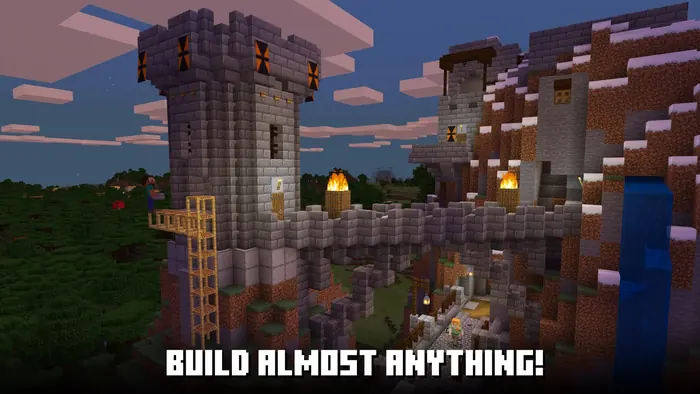 Minecraft with Shaders~105 FPSCasualGPU load 155%Needs 8GB
GPU-heavy: resolution and visual settings matter most; plan at least 8GB VRAM.
 League of Legends~451 FPSCasualGPU load 50%Needs 4GB
CPU-sensitive: high FPS depends heavily on processor speed and a balanced GPU.
 Valorant~595 FPSEsportsGPU load 65%Needs 4GB
CPU-sensitive: high FPS depends heavily on processor speed and a balanced GPU.
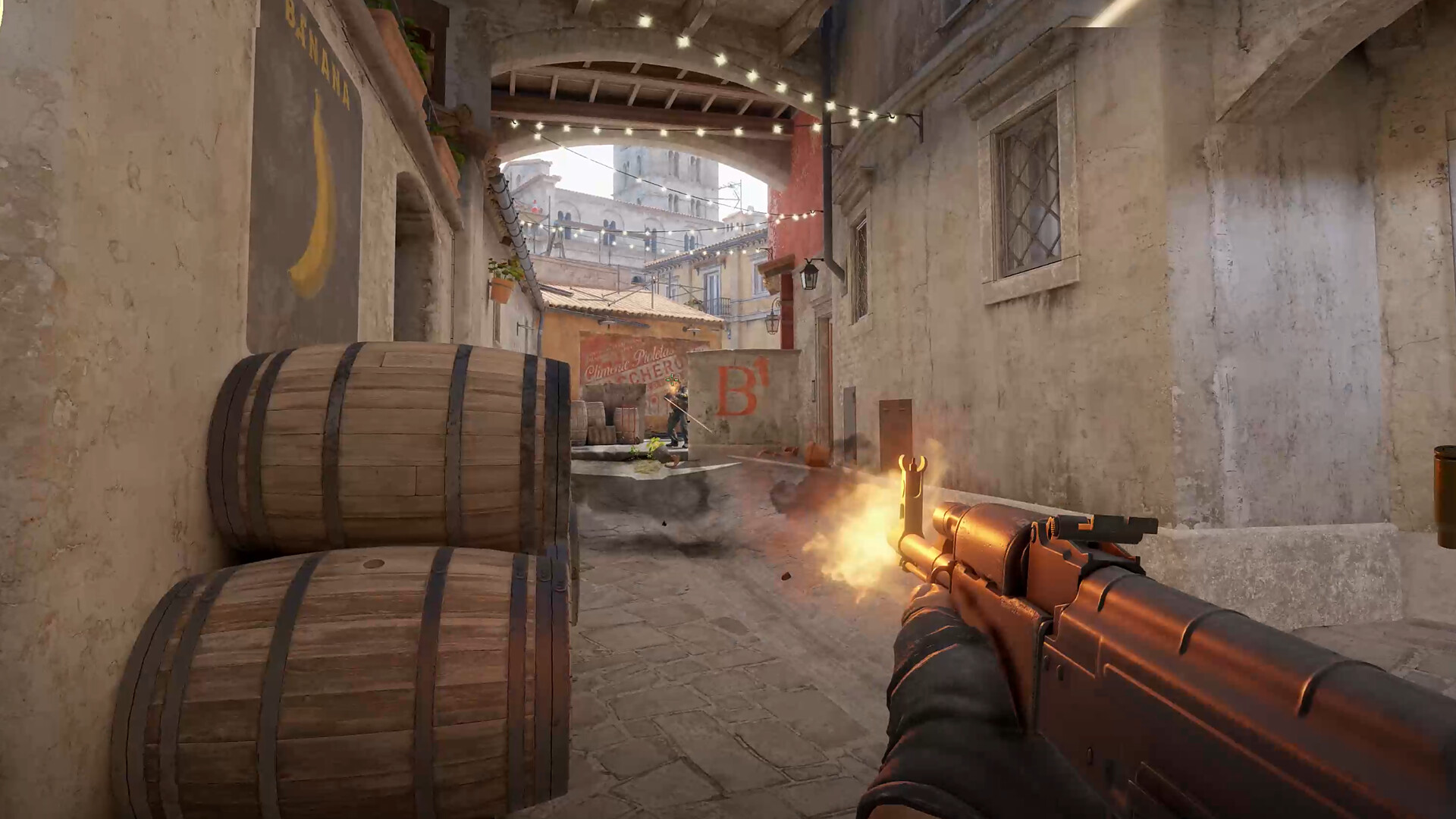 Counter-Strike 2~435 FPSEsportsGPU load 85%Needs 6GB
GPU-heavy: resolution and visual settings matter most; plan at least 6GB VRAM.
 Grand Theft Auto V~246 FPSAAA heavyGPU load 75%Needs 8GB
GPU-heavy: resolution and visual settings matter most; plan at least 8GB VRAM.
 Call of Duty: Warzone~118 FPSAAA heavyGPU load 75%Needs 10GB
CPU-sensitive: high FPS depends heavily on processor speed and a balanced GPU.
 PUBG: Battlegrounds~204 FPSEsportsGPU load 95%Needs 8GB
GPU-heavy: resolution and visual settings matter most; plan at least 8GB VRAM.
 Dota 2~339 FPSEsportsGPU load 40%Needs 4GB
Balanced load: both CPU and GPU affect consistency, with 4GB VRAM used as the planning floor.
 Apex Legends~263 FPSEsportsGPU load 60%Needs 8GB
CPU-sensitive: high FPS depends heavily on processor speed and a balanced GPU.
 EA Sports FC~178 FPSCasualGPU load 90%Needs 6GB
GPU-heavy: resolution and visual settings matter most; plan at least 6GB VRAM.
 Overwatch 2~272 FPSEsportsGPU load 105%Needs 8GB
Balanced load: both CPU and GPU affect consistency, with 8GB VRAM used as the planning floor.
 Rocket League~633 FPSEsportsGPU load 40%Needs 4GB
Balanced load: both CPU and GPU affect consistency, with 4GB VRAM used as the planning floor.
 Marvel Rivals~126 FPSEsportsGPU load 125%Needs 8GB
Balanced load: both CPU and GPU affect consistency, with 8GB VRAM used as the planning floor.
 Elden Ring~100 FPSAAA heavyGPU load 85%Needs 8GB
GPU-heavy: resolution and visual settings matter most; plan at least 8GB VRAM.
 Cyberpunk 2077~82 FPSAAA heavyGPU load 95%Needs 12GB
Balanced load: both CPU and GPU affect consistency, with 12GB VRAM used as the planning floor.
 Rust~91 FPSEsportsGPU load 100%Needs 10GB
GPU-heavy: resolution and visual settings matter most; plan at least 10GB VRAM.
 World of Warcraft~190 FPSCasualGPU load 80%Needs 6GB
Balanced load: both CPU and GPU affect consistency, with 6GB VRAM used as the planning floor.
 Battlefield~73 FPSAAA heavyGPU load 100%Needs 10GB
CPU-sensitive: high FPS depends heavily on processor speed and a balanced GPU.
 Call of Duty: Black Ops 6~91 FPSAAA heavyGPU load 70%Needs 10GB
GPU-heavy: resolution and visual settings matter most; plan at least 10GB VRAM.
 ARC Raiders~90 FPSEsportsGPU load 75%Needs 8GB
Balanced load: both CPU and GPU affect consistency, with 8GB VRAM used as the planning floor.
 Red Dead Redemption 2~80 FPSAAA heavyGPU load 75%Needs 10GB
CPU-sensitive: high FPS depends heavily on processor speed and a balanced GPU.
 Helldivers 2~80 FPSAAA heavyGPU load 105%Needs 10GB
GPU-heavy: resolution and visual settings matter most; plan at least 10GB VRAM.
At very high refresh rates, CPU performance and stable frame delivery can matter more than simply buying a larger GPU.
Higher resolution and visual settings usually move more pressure to the GPU and its available VRAM.
The low-to-high FPS range is more useful than one number because scenes, maps and updates change the load.