Name the workload before the model
Start by writing what the machine must do for most of its life. A competitive gaming PC that must hold a high frame rate benefits from strong per core performance and a processor with good gaming behaviour, which is not always the model with the highest core count. A rendering or compiling machine benefits from many cores, because those tasks split cleanly across them.
Mixed use is common and perfectly reasonable, but it should be stated. Playing at high refresh while streaming, or gaming on the same machine used for video editing, changes the balance toward a chip with both respectable per core performance and enough cores to absorb the background load.
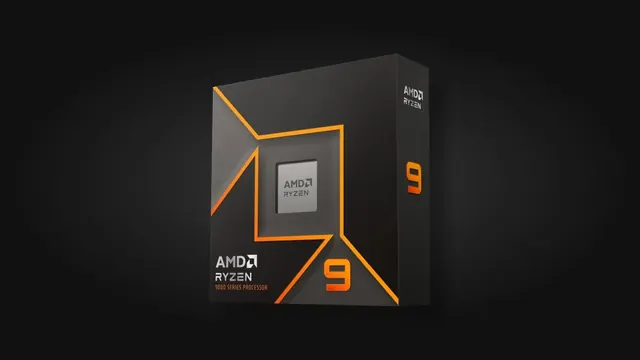
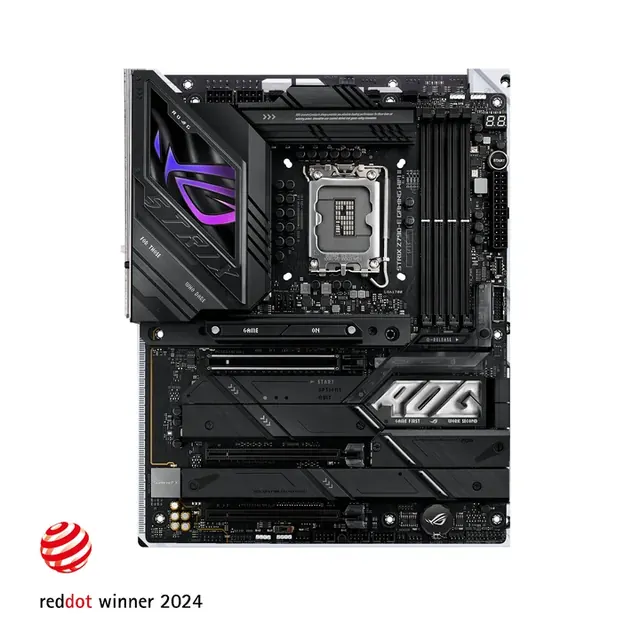
The platform around the chip
A processor only fits one socket and one memory generation. That means the real price of a processor is the chip plus a compatible motherboard, plus the memory type that board accepts, plus a cooler if none is included. Two chips with similar prices can differ by a meaningful amount once the platform is added, and that difference is often better spent on the graphics card.
Upgrade room is a legitimate reason to prefer a platform, but it should be treated as an option rather than a promise. If you expect to replace the processor within the life of the board, check what the platform already supports rather than assuming future compatibility.
Cooling and heat output
Processors differ in how much heat they produce under sustained load. A chip with a modest rating is comfortable under a mid size air cooler and stays quiet. A chip designed to draw a lot of power under long workloads needs real cooling capacity, and starving it produces throttling that erases the performance you paid for.
Check whether a cooler is included, whether it is adequate for your workload, and whether your case has the height or radiator support for the cooler you intend to use. Cooling is the step most often discovered too late.
Reading the comparison honestly
Single numbers hide behaviour. When you compare two processors, look at the type of workload the score represents, and prefer figures that match your own use. On this site the part comparison shows gaming and productivity oriented fields separately so a chip that is strong in one and average in the other is visible rather than averaged away.
Finally, judge the result inside the whole build. The forecast for your games at your resolution will tell you whether the processor or the graphics card is the limiting side, and that answer, not a generic ranking, is what should decide where the next amount of money goes.