Start with the heat load
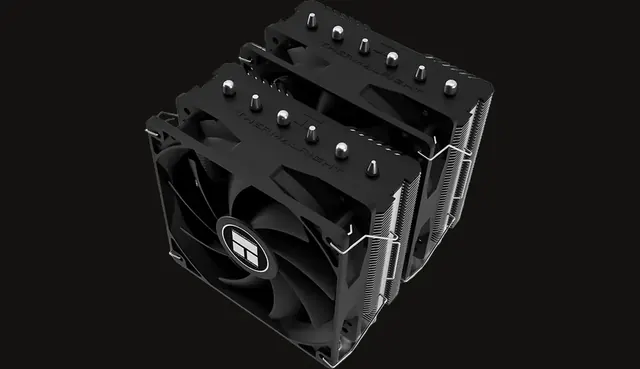
Efficient mainstream processors produce a modest amount of heat and are comfortable under a mid size tower. Chips designed to sustain high power under long workloads produce far more, and they need either a large air cooler or a liquid cooler with adequate radiator area.
Sustained load is the key phrase. A processor that peaks briefly during a game is a different problem from one that renders for an hour. Choose for the longer workload, because that is where throttling appears.
Air or liquid
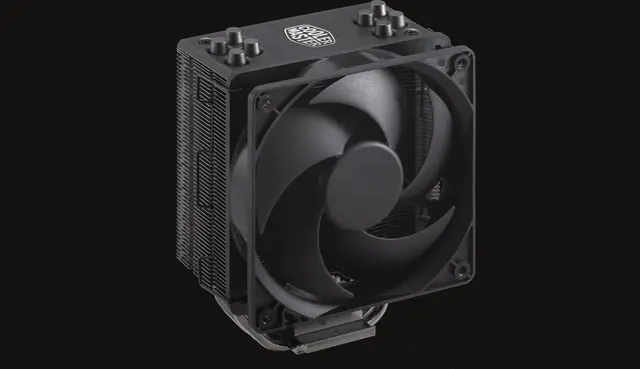
Air cooling is simpler, cheaper for the capacity it provides, has no pump to fail, and keeps working for many years with nothing more than dusting. For the majority of builds it is the correct default.
An all in one liquid cooler earns its place when the heat load is high, when a radiator solves a clearance problem that a tall tower cannot, or when the case layout moves heat out more effectively through a radiator. It adds a pump, more cables, and a component with a finite service life.

Clearance is the usual failure
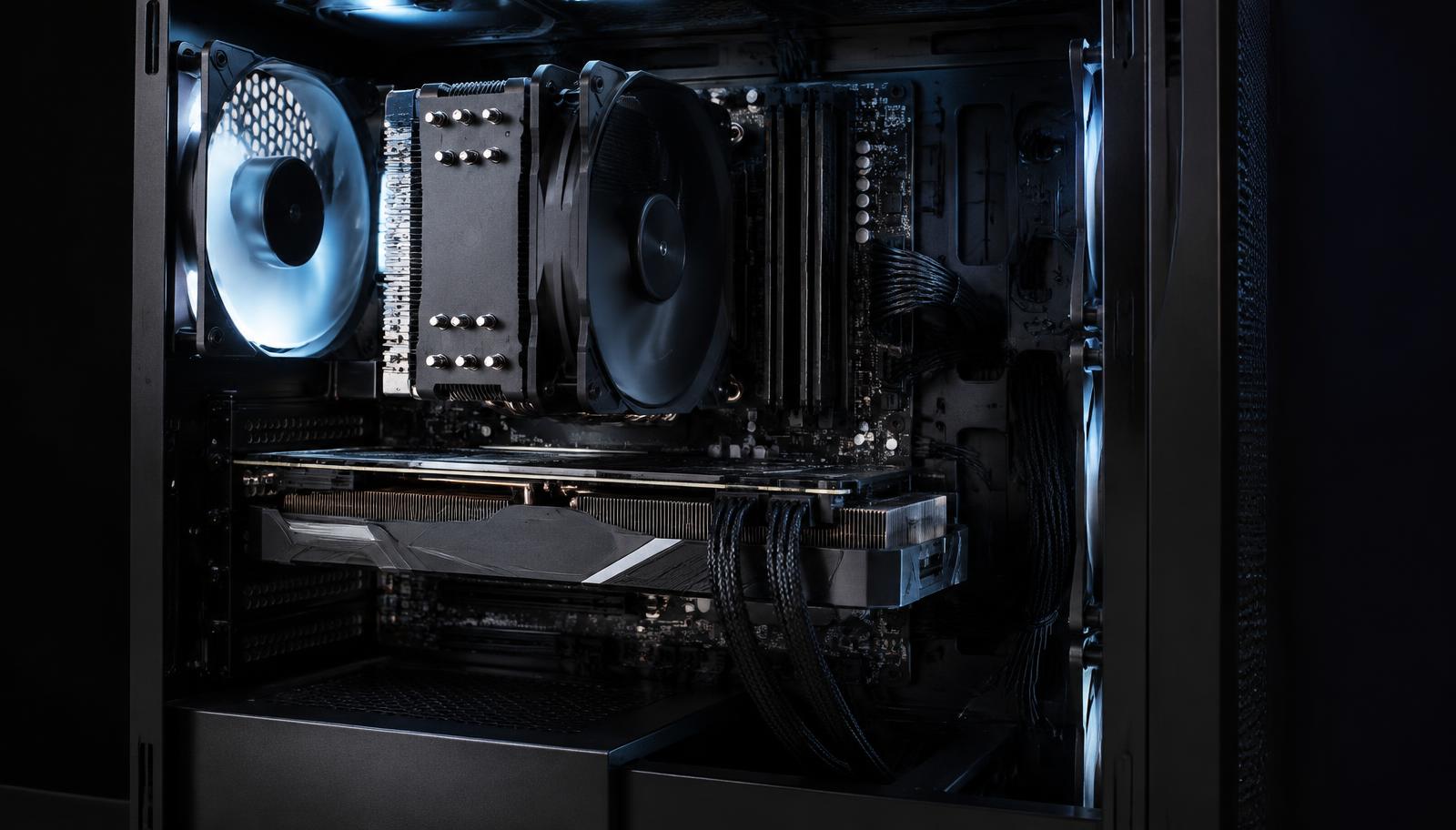
Three measurements decide whether a cooler fits: the maximum cooler height stated by the case, the radiator sizes the case can mount and where, and the clearance above the memory slots for wide tower coolers with tall memory modules installed.
Check all three on the case specification page before ordering, and confirm the cooler supports your processor socket. A cooler that does not fit is the most common reason a build stalls halfway through assembly.
Fans, curves and living with the noise
Once the cooler has enough capacity, the remaining variable is how fast the fans have to spin. A larger surface area lets the same heat leave at a lower speed, which is the whole reason big coolers are quiet rather than merely cold.
Fan curves are worth setting once. A curve that ramps gradually with temperature instead of reacting to every spike stops the machine from surging in volume during normal use, and it costs nothing but a few minutes in the firmware.
Case airflow finishes the job. A cooler can only give its heat to the air it receives, so a clear intake path and an exhaust route matter as much as the cooler itself in keeping a machine quiet under load.